
The first time my heart stopped working the way it was supposed to, I learned something nobody had ever told me growing up: freedom isn’t just something that happens to a people. Sometimes it has to happen inside one body first.
I’ve had four heart attacks. Each one took something from me, time, certainty and the assumption that tomorrow was guaranteed. But each one also handed something back, because surviving forces you to ask the question differently. Not “how do I get through this,” but “what do I do with the fact that I’m still here.”
What I did was build The Black Man’s Health Festival® and launch a nonprofit dedicated to improving the health outcomes of Black men and underserved communities.
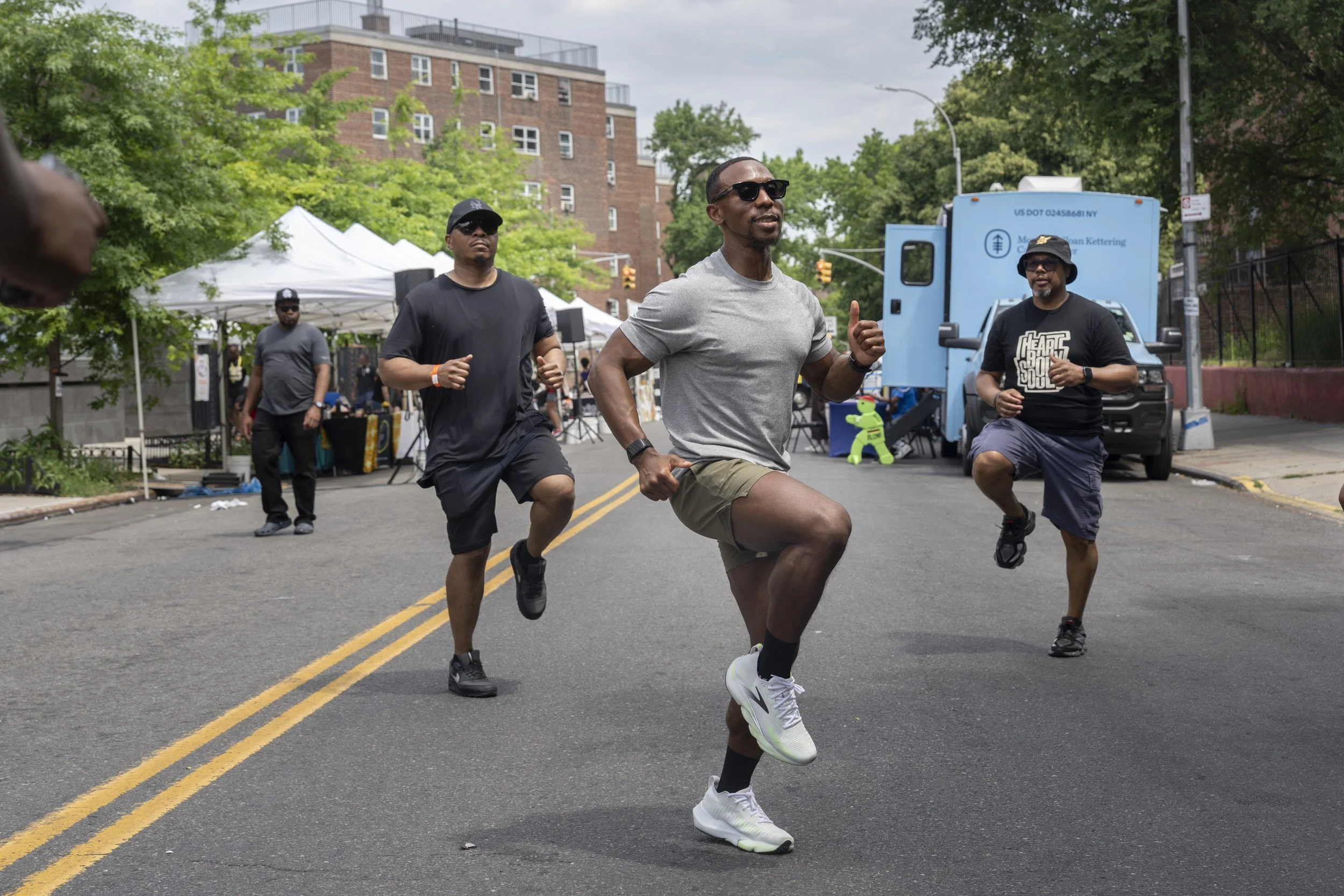
Photo by Ralston Smith
This wasn’t a path I saw myself taking when I was in high school or college and I definitely didn’t think about doing this when I started my corporate career. All I thought about really was getting married, starting a family, working until 45, then retiring and starting my own business. Little did I know that life had other plans for me.
I had my first heart attack at the age of 42. It was devastating for me because at the time, I felt and looked like I was very healthy. After the heart attack, I had to build up my endurance by walking before I could run or even lift weights again and when I started exercising, I had to do it under supervision while hooked up to a heart monitor. Needless to say, it was a humbling experience. Fast forward, six years later my life was upended again, this time with a cancer diagnosis at the age of 48. The doctor said it was appendiceal cancer (cancer of the appendix). I never even knew that type of cancer existed. Less than three weeks after that diagnosis came my second heart attack. Yep, it just kept on happening. Believe it or not, I was still working full time, in between my hospital stays of course, but I couldn’t keep up with everything, so I met with my doctors, and they encouraged me to slow down. I went out on short term disability, which changed later as things developed.
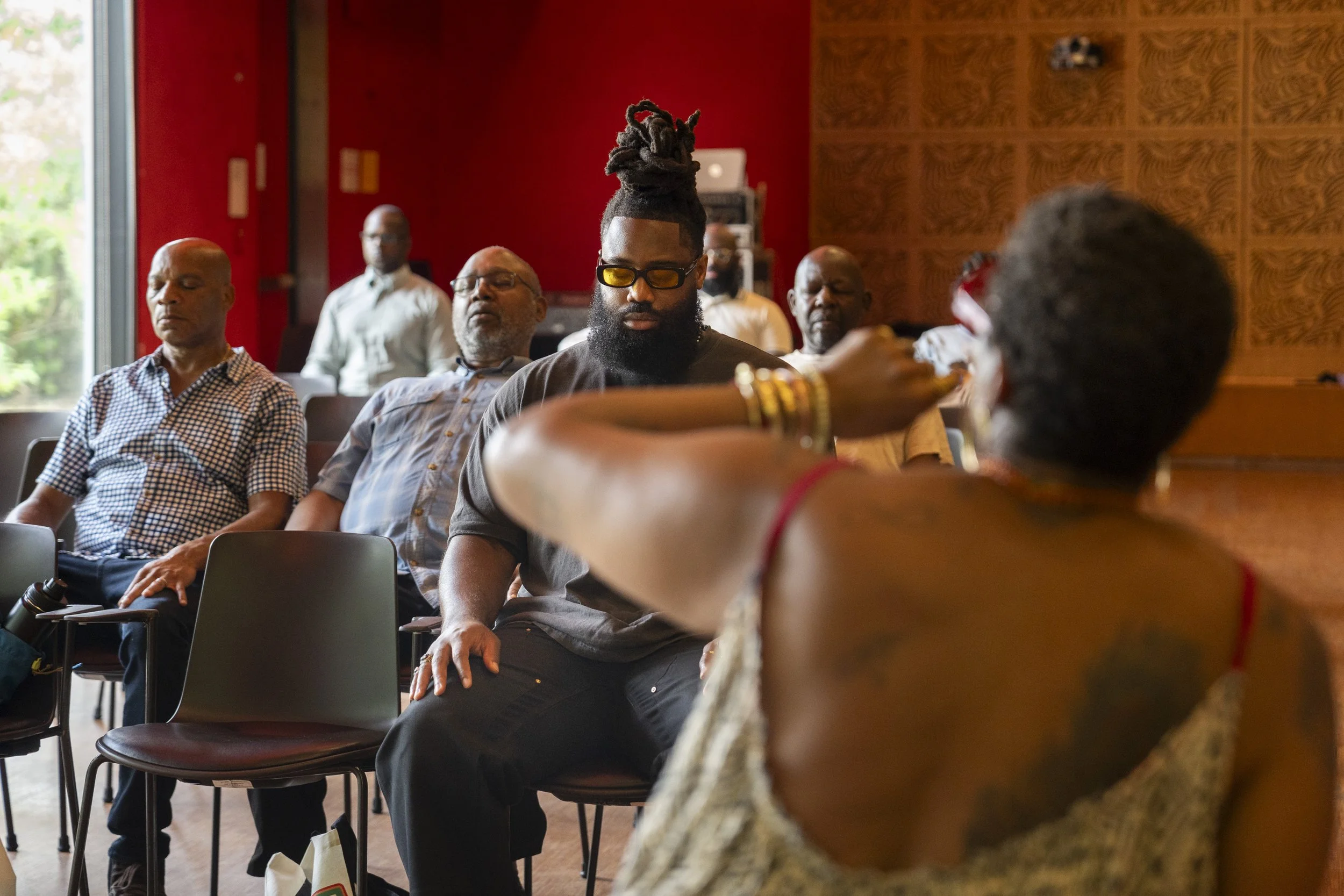
Photo by Ralston Smith
After recovering from the second heart attack, I had to undergo major surgery to remove the tumor and await the pathology report to determine the stage of the cancer. A few weeks after the surgery, I was told that I had stage III cancer of the appendix and I would have to begin chemotherapy. While all of this was happening, I was hearing about some of my friends experiencing similar challenges but only learning bits and pieces of the story. I never knew how bad it was until some ended up in the hospital and others, well a few of my friends are no longer here. I was frustrated with the fact that men, especially Black men, were keeping their health challenges to themselves and suffering in silence. I was angry at some of my friends for not calling me and telling me what they were going through and even more upset that they didn’t ask for my help. I wanted to change that. I had to change it. But how? What could I do? While in the hospital, I had an idea. What if I created a festival to celebrate, uplift and support Black men, while providing them access to care, education and resources? Men could come and get free haircuts, free massages, engage in meaningful conversations with other men, get free health screenings and more. That’s how The Black Man’s Health Festival® was born. A few short months later, the nonprofit, Heart, Body & Soul, was formed to launch that initiative and provide programming for Black men and underserved communities with the goal of improving our physical and mental health outcomes. When we hosted our first festival, we saw an attendance of 100 people. This year marked our fifth year, and along with our presenting partners, including the Office of Council Member Chi Ossé, Weeksville Heritage Center, Memorial Sloan Kettering Cancer Center, Arthur Ashe Institute for Urban Health, NOWINCLUDED powered by Acclinate, 651 ARTS, BridgeBio, Medtronic, Irie Jam Media and WhereItzAt, we had 700 people join us for a day of healing, celebration and joy. Today, our four pillars – access, advocacy, awareness and action, continue to drive us forward to expand our reach from Brooklyn to other boroughs and other cities across the country.
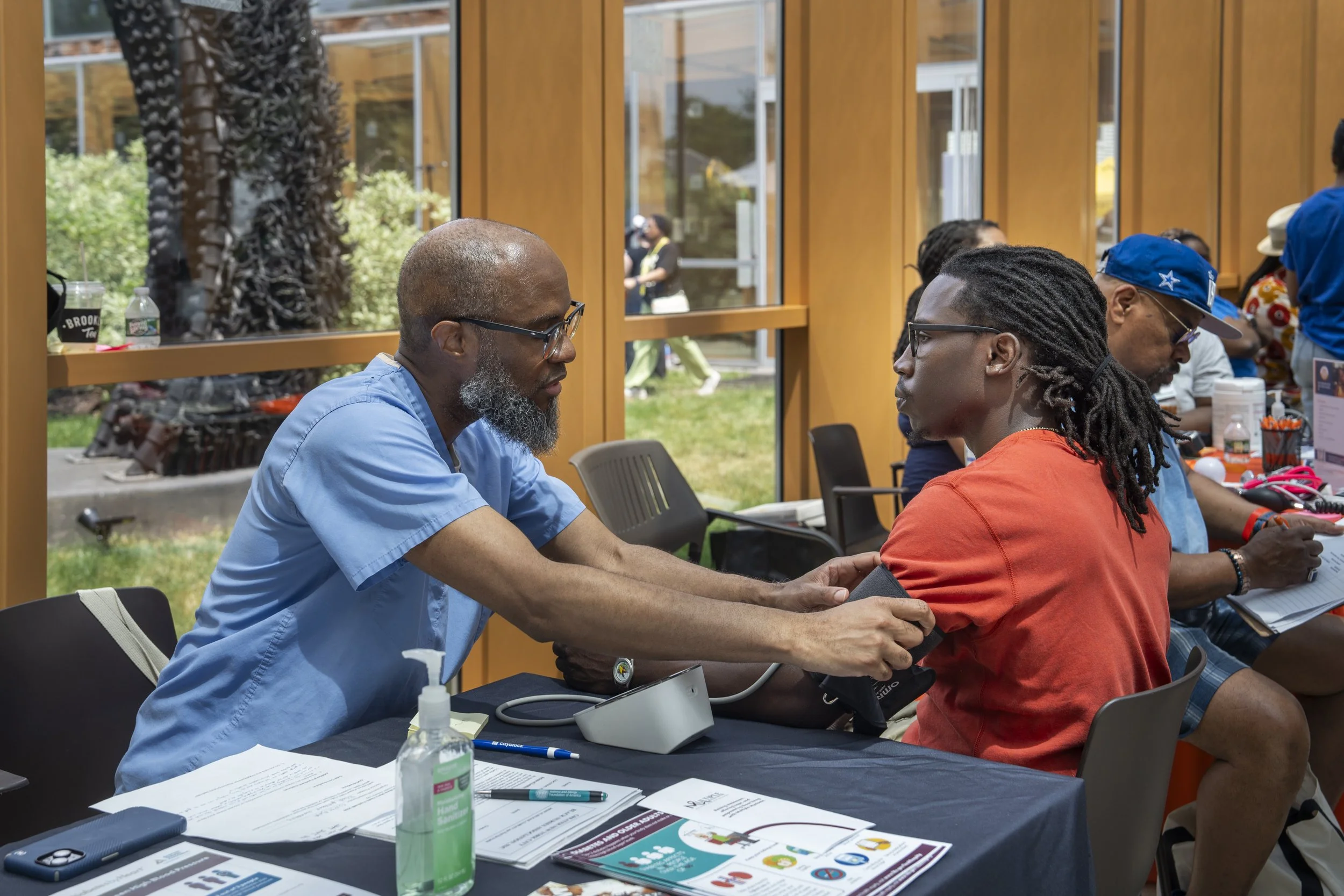
Photo by Ralston Smith
We have been fortunate since we started our work, to hear stories of men who learned they had prostate cancer after attending and receiving a free screening and now, after treatment, they are doing well, enjoying their families and living their lives. I have had people stop me in the street and say, “thanks for sharing your story, it inspired me to make a change”.
That’s the thing about freedom I don’t think gets said enough, especially in an issue carrying this name. We talk about Juneteenth, about emancipation, about ancestors who walked out of bondage into a future they couldn’t fully see yet. That history matters, it’s the ground everything else stands on. But freedom isn’t only a historical event. For a lot of us, it’s a daily, physical, unglamorous fight against the things quietly trying to take us out early: blood pressure we don't get checked, stress we don’t name, screenings we put off because somebody convinced us strength meant silence.
I almost didn’t get the chance to find that out.
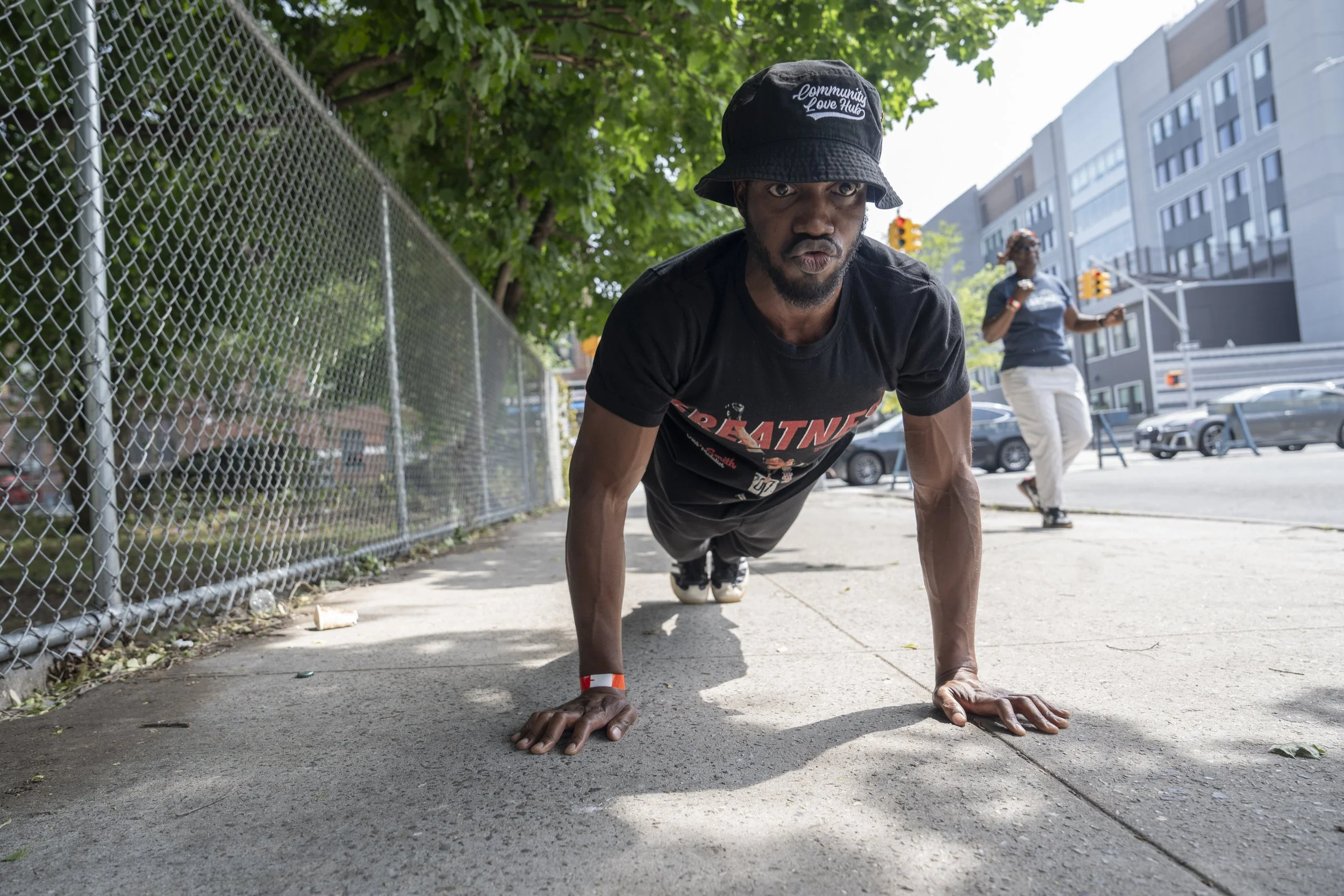
Photo by Ralston Smith
The Black Man’s Health Festival and Heart, Body & Soul exists because I refused to let my second, third and fourth chance be a private one. Every man who walks through those doors and gets a blood pressure check or a PSA (prostate specific antigen) test he wouldn’t have gotten otherwise, every man who hears another survivor’s story and finally makes the appointment he’s been avoiding, that’s freedom too. Not metaphorical. Literal. Measured in years added back to somebody’s life.
That’s why this issue carries the name it does. Juneteenth freed people who had no say in their captivity. The freedom I’m talking about now is one we actually have some control over, which makes it both harder and more urgent. Nobody’s coming to announce it to us. We have to walk toward it ourselves: get the screening, make the appointment, build the festival, show up for each other.
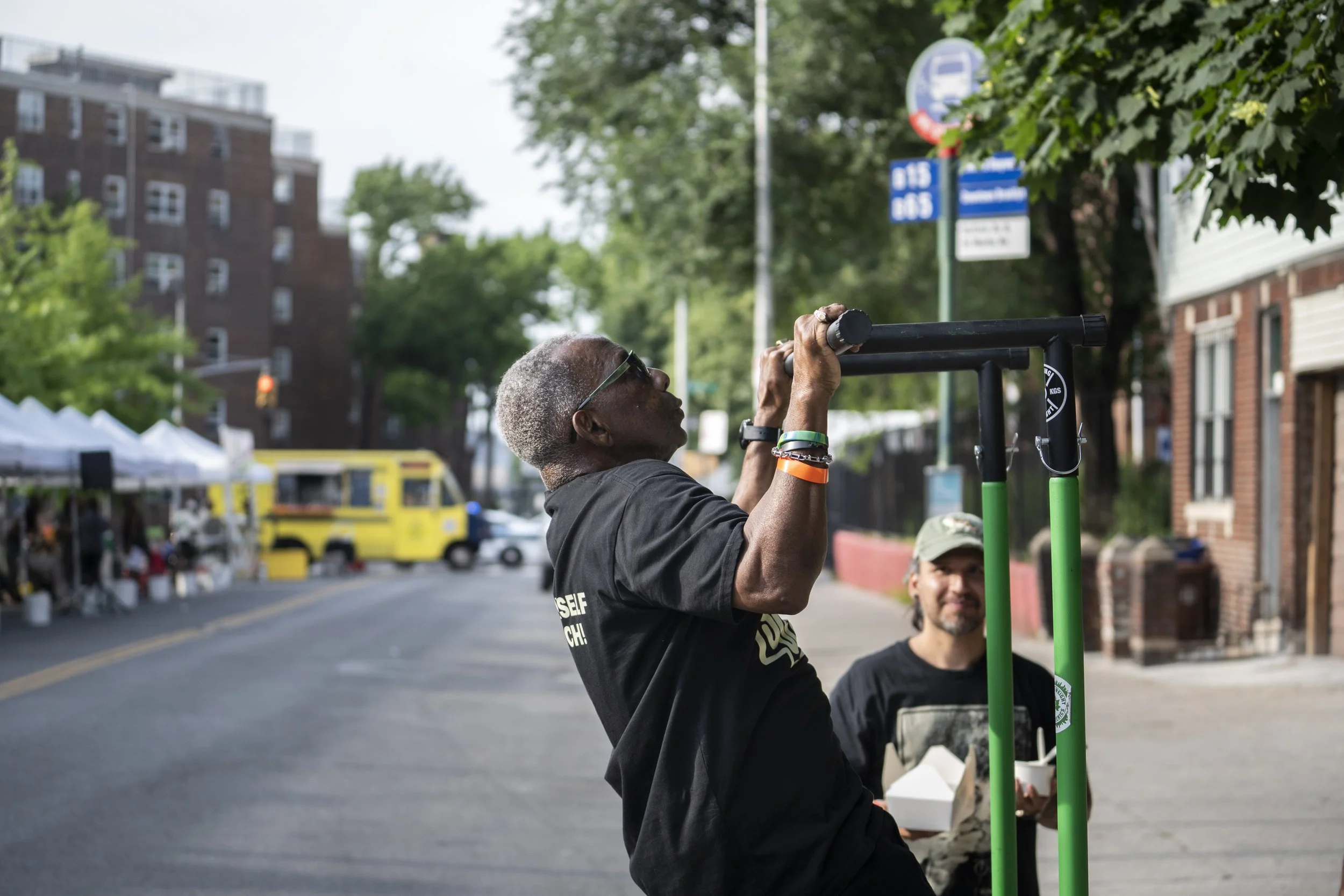
Photo by Ralston Smith
I'm still here. Four heart attacks in, I’m still here, still building, still standing at that festival every year watching another line of men walk through the doors. If freedom has a pulse, I’d like to think I know what it sounds like by now.